
Hajj is one of the most profound spiritual journeys a Muslim can undertake. It is a time of worship, reflection, patience, and devotion. At the same time, it is also a physically demanding pilgrimage that requires walking long distances, spending time outdoors, managing large crowds, and maintaining energy throughout several days of rituals.
Many pilgrims spend months preparing spiritually and emotionally for Hajj, but physical preparation is equally important. Taking steps to improve your fitness, manage your health needs, and prepare for the climate can make your journey more comfortable and allow you to focus more fully on your worship.
At Al-Yaseen Tours & Travels, we encourage every pilgrim to begin preparing well before departure. A little preparation can go a long way in helping you perform your Hajj with greater ease and confidence.
Why Physical Preparation Matters
The rituals of Hajj involve significant movement over several days. Pilgrims often spend long hours walking between locations, standing during prayers, and navigating crowded areas. Saudi health authorities regularly remind pilgrims that Hajj requires physical effort and that improving fitness before travel can help reduce fatigue and exhaustion during the pilgrimage.
While people of all ages and fitness levels perform Hajj every year, preparing your body beforehand can help you:
- Improve stamina and endurance
- Reduce physical strain during rituals
- Better cope with heat and long walking distances
- Recover more quickly after busy days
- Enjoy a safer and more comfortable pilgrimage experience
The goal is not athletic performance. Rather, it is ensuring your body is ready for the demands of the journey so you can focus on the spiritual purpose of Hajj.
Building Stamina Before You Travel
One of the best ways to prepare for Hajj is through regular walking.
Many first-time pilgrims underestimate the amount of walking involved during the pilgrimage. Starting a simple walking routine several weeks or months before departure can make a significant difference.
Begin with Daily Walking
If you are not currently active, start gradually.
A practical approach is to:
- Walk regularly throughout the week
- Gradually increase the duration and distance
- Practice walking at a steady pace
- Wear comfortable footwear similar to what you plan to use during Hajj
Health authorities recommend building physical fitness before Hajj through regular aerobic activity such as walking, cycling, or swimming, while increasing activity levels gradually over time.
Include Light Exercise
In addition to walking, simple exercises can help improve mobility and endurance:
- Gentle stretching
- Light strength exercises
- Balance and flexibility training
- Stair climbing where appropriate
These activities can help strengthen muscles and improve overall movement, making long days of walking less challenging.
Practice Consistency
You do not need an intense fitness program. Consistency is more important than intensity.
Even modest improvements in fitness before departure can make a noticeable difference once you arrive in Makkah and begin performing the rituals.
Preparing for Saudi Arabia’s Climate
One of the biggest challenges for pilgrims is adapting to the heat.
Depending on the season, temperatures in Saudi Arabia can be high, particularly during outdoor activities. Health authorities consistently emphasize heat awareness and hydration as key factors in staying well during Hajj.
Stay Hydrated
Proper hydration is essential.
Pilgrims often lose fluids through sweating, especially while walking or spending extended periods outdoors. Dehydration can contribute to fatigue, dizziness, weakness, and reduced physical performance.
Good hydration habits include:
- Drinking water regularly throughout the day
- Not waiting until you feel thirsty
- Taking advantage of opportunities to refill water
- Paying attention to signs of fatigue and overheating
Saudi health guidance specifically encourages pilgrims to drink fluids regularly and avoid waiting until thirst develops.
Protect Yourself from Direct Sun Exposure
Whenever possible:
- Use an umbrella when outdoors
- Seek shaded areas during breaks
- Wear appropriate, breathable clothing
- Avoid unnecessary exposure during the hottest parts of the day
Saudi health authorities repeatedly advise pilgrims to minimize direct sun exposure and use umbrellas to reduce the risk of heat-related illness.
Listen to Your Body
If you begin feeling unusually tired, dizzy, overheated, or weak, take a break, find shade, and rest.
Recognizing early signs of fatigue and heat stress is an important part of maintaining your well-being during Hajj.
Managing Medications and Existing Health Conditions
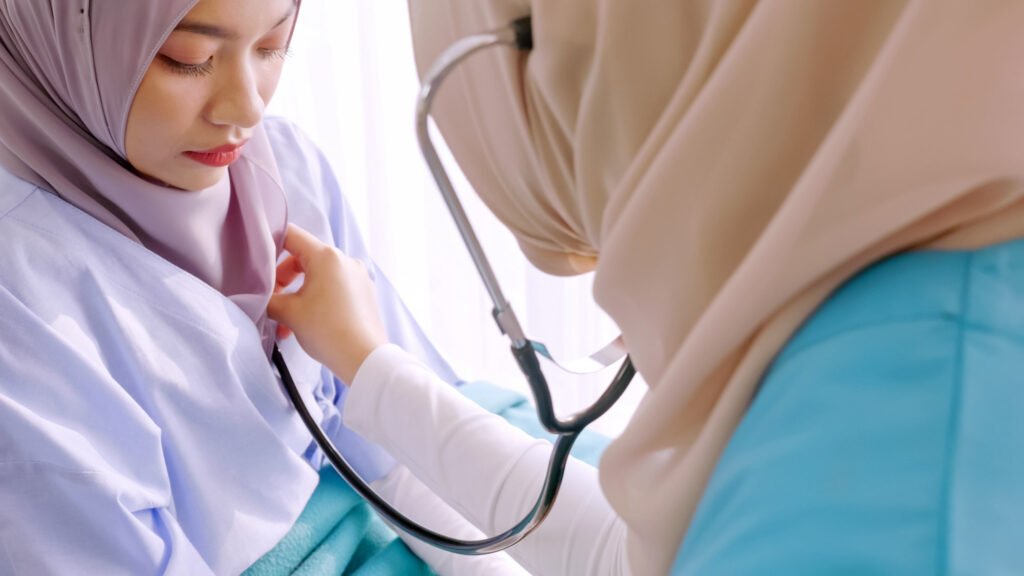
Many pilgrims travel with ongoing health conditions such as diabetes, hypertension, heart conditions, respiratory conditions, or other long-term medical needs.
Good preparation before departure can help reduce stress and avoid unnecessary complications during travel.
Plan Ahead
Before leaving for Hajj:
- Review your travel plans with your healthcare provider
- Ensure you have sufficient supplies of your prescribed medications
- Keep medications in your hand luggage when appropriate
- Carry copies of important medical information
- Inform family members or group leaders about any significant health concerns
Saudi health guidance recommends that pilgrims with chronic conditions carry documentation of their medical status and maintain access to their prescribed medications throughout the journey.
Keep Medications Organized
During Hajj, schedules can be busy and routines may change.
Consider:
- Using clearly labelled medication organizers
- Setting reminders on your phone
- Keeping essential medicines easily accessible
- Storing medications according to their recommended requirements
Good organization helps reduce the risk of missed doses and unnecessary stress.
Consult Your Doctor Before Travel
Every pilgrim’s health situation is unique.
Anyone with an existing medical condition should consult their healthcare provider before travelling. Your doctor can advise whether any additional preparation is needed for your individual circumstances.
This article provides general wellness information only and should not be considered medical advice, diagnosis, or treatment guidance.
Advice for Elderly Pilgrims
Many elderly Muslims successfully perform Hajj every year. With proper planning and support, age alone does not prevent a meaningful pilgrimage experience.
However, older pilgrims may benefit from additional preparation.
Build Strength Gradually
Starting a walking routine several months before departure can help improve endurance and confidence.
Focus on:
- Consistent daily movement
- Comfortable walking distances
- Gentle flexibility exercises
- Maintaining mobility
Pace Yourself
One of the most common mistakes during Hajj is trying to do too much too quickly.
Remember:
- Hajj is a marathon, not a sprint
- Take breaks when needed
- Avoid unnecessary rushing
- Preserve energy for essential rituals
Use Available Assistance
There is no shame in accepting help when necessary.
Mobility aids, transportation services, and group assistance exist to support pilgrims who need them. Making use of these resources can improve comfort and reduce physical strain.
Supporting Pilgrims with Mobility Concerns
Pilgrims with mobility limitations should plan carefully before departure.
Some practical considerations include:
- Discussing mobility needs with your travel operator in advance
- Understanding walking requirements for different rituals
- Exploring available transportation options
- Packing supportive footwear
- Allowing extra time for movement between locations
The earlier these arrangements are discussed, the easier it becomes to ensure a smooth pilgrimage experience.
At Al-Yaseen Tours & Travels, we encourage pilgrims to share any mobility concerns before departure so that appropriate support can be planned wherever possible.
Managing Fatigue During the Five Days of Hajj
Even healthy and active pilgrims experience tiredness during Hajj.
The combination of worship, travel, walking, crowds, and changing routines can be physically demanding.
Managing energy wisely is essential.
Prioritize Rest
Many pilgrims become so focused on maximizing every moment that they neglect sleep and recovery.
Adequate rest helps:
- Maintain energy levels
- Improve concentration
- Support physical recovery
- Reduce stress and exhaustion
Saudi health guidance repeatedly emphasizes the importance of getting sufficient rest during Hajj.
Eat Regularly
Food provides the energy needed for the physical demands of Hajj.
Try to:
- Eat balanced meals when available
- Avoid skipping meals unnecessarily
- Include fruits and nutritious foods where possible
- Maintain regular eating patterns
Good nutrition helps support endurance throughout the pilgrimage.
Take Breaks Throughout the Day
Short rest periods can help prevent exhaustion.
Whenever possible:
- Sit down during longer waiting periods
- Use shaded rest areas
- Pause before fatigue becomes overwhelming
- Pace your activities throughout the day
Small breaks often make a significant difference by the end of a busy day.
Focus on Sustainable Energy
Remember that Hajj spans several days.
Avoid the temptation to use all your energy during the first stages of the journey. Maintaining a steady pace helps ensure you remain physically capable throughout the entire pilgrimage.
A Journey of Worship and Well-Being
Preparing physically for Hajj is not separate from preparing spiritually. Looking after your health allows you to perform your worship with greater focus, comfort, and peace of mind.
By building stamina before travel, staying hydrated, protecting yourself from the heat, managing existing health needs, and pacing yourself throughout the rituals, you can approach Hajj with greater confidence and readiness.
Most importantly, consult your doctor before travel if you have any existing health conditions or concerns. Proper preparation can help make your pilgrimage safer and more comfortable.
At Al-Yaseen Tours & Travels, we understand that Hajj is both a spiritual and physical journey. From pre-departure guidance to on-ground assistance in Saudi Arabia, our experienced team provides support throughout the pilgrimage, helping pilgrims focus on what matters most—fulfilling this sacred obligation with peace, dignity, and devotion.