
For many Muslims, the opportunity to perform Umrah is a deeply meaningful milestone. It is a journey of faith, reflection, gratitude, and connection with Allah. Yet for first-time pilgrims, excitement is often accompanied by uncertainty. Questions about the rituals, travel arrangements, what to pack, and what to expect are completely natural.
If you are preparing for your first Umrah, you are not alone. Thousands of pilgrims travel to Makkah every year feeling both eager and nervous about the experience ahead. The good news is that with the right preparation and guidance, your journey can be smooth, comfortable, and spiritually fulfilling.
This guide will walk you through everything you need to know before your first Umrah—from understanding its significance to completing the rituals with confidence.
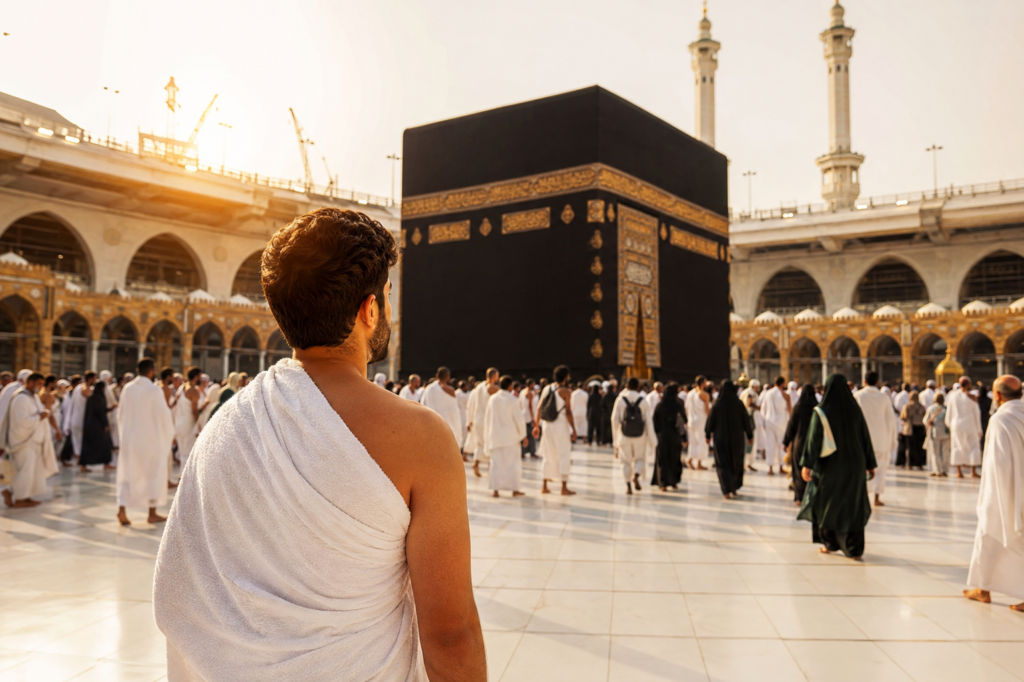
Understanding the Meaning of Umrah
Umrah is a voluntary pilgrimage to the holy city of Makkah that can be performed at almost any time of the year. While it is not obligatory like Hajj, it holds immense spiritual value and is highly recommended in Islam.
For many believers, Umrah is an opportunity to step away from daily routines and focus entirely on worship. It is a chance to seek forgiveness, strengthen faith, make sincere supplications, and reconnect with what matters most.
Unlike a regular trip, Umrah is a spiritual journey. The sights, sounds, and atmosphere of Makkah often leave a lasting impact on pilgrims. Standing before the Kaaba for the first time is an emotional moment that many people remember for the rest of their lives.
One of the beautiful aspects of Umrah is its accessibility. Since it can be performed throughout most of the year, many Muslims choose to undertake this sacred journey whenever they are able, whether with family, friends, or as individuals seeking personal spiritual growth.
Umrah vs. Hajj: What’s the Difference?
Many first-time travelers wonder how Umrah differs from Hajj.
The main difference is that Hajj is one of the Five Pillars of Islam and is obligatory for Muslims who are physically and financially able to perform it. Hajj takes place only during specific days of the Islamic month of Dhul Hijjah and involves several rituals performed over multiple days.
Umrah, on the other hand, is not compulsory and can generally be performed throughout the year. The rituals are fewer and can often be completed within a few hours.
While Hajj has specific requirements and larger crowds due to its fixed dates, Umrah is typically more flexible and easier to plan. This makes it an ideal first pilgrimage experience for many Muslims.
Despite these differences, both journeys share a common purpose: drawing closer to Allah and strengthening one’s faith through sincere worship and devotion.
The Four Main Rituals of Umrah
One of the biggest concerns first-time pilgrims have is remembering the steps of Umrah. Fortunately, the process is straightforward when broken down into simple stages.
1. Entering the State of Ihram
The journey begins with Ihram, a sacred state entered before reaching Makkah.
For men, this involves wearing two simple white unstitched cloths. Women wear modest Islamic clothing that fulfills the requirements of hijab while remaining comfortable and practical.
Before entering Ihram, pilgrims perform purification, make the intention for Umrah, and recite the Talbiyah. During this state, certain actions are restricted, helping pilgrims focus on worship and spiritual mindfulness.
Ihram is a powerful reminder that all believers stand equal before Allah regardless of wealth, nationality, or social status.
2. Performing Tawaf
Upon arriving at Masjid al-Haram and seeing the Kaaba, many pilgrims experience overwhelming emotions. Take your time and absorb the moment.
The next ritual is Tawaf, which involves walking around the Kaaba seven times in a counterclockwise direction.
During Tawaf, pilgrims engage in prayer, remembrance of Allah, and personal supplications. There is no need to rush. Focus on sincerity rather than perfection.
Crowds can sometimes be large, especially during busy seasons, so patience is essential. Remember that everyone around you is sharing the same spiritual purpose.
3. Performing Sa’i
After completing Tawaf, pilgrims perform Sa’i.
This ritual involves walking seven times between the hills of Safa and Marwah. It commemorates the devotion and perseverance of Hajar (AS) as she searched for water for her son, Ismail (AS).
Today, the pathway between Safa and Marwah is enclosed, well-maintained, and comfortable for pilgrims. The distance may seem significant at first, but most people find it manageable when taken at a steady pace.
Sa’i serves as a beautiful reminder of trust in Allah, patience during hardship, and the rewards that come from sincere effort.
4. Tahallul (Completing Umrah)
The final step is Tahallul.
Men typically shave their heads completely or trim their hair, while women cut a small portion of their hair.
Once this is done, the state of Ihram ends, and the Umrah is complete.
Although the rituals themselves may take only a few hours, the spiritual impact often remains long after the journey has ended.
What to Pack for Your First Umrah
Packing thoughtfully can make your pilgrimage much more comfortable.
Start with the essentials:
- Passport, visa documents, and travel tickets
- Hotel and travel confirmations
- Copies of important documents
- Mobile phone and charger
- Power bank
- Necessary medications
- Comfortable walking shoes or sandals
- Lightweight clothing suitable for warm weather
- Small backpack or shoulder bag
- Reusable water bottle
- Prayer mat
- Unscented toiletries for use during Ihram
- Sunglasses and an umbrella for daytime use
For men, ensure you carry appropriate Ihram garments. It is often helpful to bring an extra set.
Women should pack comfortable, modest clothing that allows ease of movement while walking and performing rituals.
Keep luggage organized and avoid overpacking. Most first-time travelers discover they need less than they initially expected.
Physical and Spiritual Preparation
Preparing for Umrah is about more than packing bags and booking flights.
Since the pilgrimage involves considerable walking, it is beneficial to begin light physical preparation a few weeks before departure. Regular walks, staying hydrated, and maintaining a healthy routine can improve stamina and reduce fatigue during the trip.
Equally important is spiritual preparation.
Spend time learning the basic rituals before you travel. Read about the significance of Umrah, listen to educational lectures, and familiarize yourself with the steps involved.
Many pilgrims also prepare by:
- Increasing daily prayers
- Reading and reflecting on the Quran
- Making sincere dua
- Seeking forgiveness from Allah
- Resolving conflicts and strengthening family ties
- Clarifying intentions for the journey
The goal is not perfection. The goal is to arrive with an open heart, a sincere intention, and a willingness to grow spiritually.
Common Mistakes First-Time Pilgrims Make
Making mistakes is part of learning, and many first-time pilgrims share similar concerns.
One common mistake is focusing too much on logistics and not enough on the spiritual purpose of the journey. While planning is important, remember that Umrah is ultimately an act of worship.
Another frequent issue is overexertion. Many pilgrims try to do too much too quickly, especially during the first few days. Pace yourself, rest when needed, and stay hydrated.
Some travelers also become anxious about remembering every detail perfectly. In reality, sincerity matters more than memorizing every supplication word for word.
Other common mistakes include:
- Overpacking unnecessary items
- Forgetting essential medications
- Not wearing comfortable footwear
- Neglecting hydration
- Waiting until the last minute to learn the rituals
- Becoming stressed by crowds and delays
Patience is one of the greatest qualities a pilgrim can carry. Unexpected situations may arise, but maintaining a calm and positive mindset will help you enjoy the experience more fully.
Making the Most of Your Journey
Umrah is not simply about completing a set of rituals. It is an opportunity to pause, reflect, and reconnect with your faith.
Take time to appreciate the moments between the rituals. Observe the atmosphere of Masjid al-Haram, spend quiet moments in prayer, and make dua for yourself, your family, and your loved ones.
Many pilgrims find that some of their most meaningful experiences occur during these quiet moments of reflection rather than during the rituals themselves.
Avoid comparing your journey to anyone else’s. Every pilgrim’s experience is unique. Focus on your own connection with Allah and allow yourself to fully embrace the blessings of the journey.
Your Journey with Al-Yaseen Tours & Travels
Since 1987, Al-Yaseen Tours & Travels has been helping pilgrims from Hyderabad and beyond undertake their sacred journeys with confidence and peace of mind.
For first-time travelers especially, having experienced guidance can make a significant difference. From visa assistance and travel arrangements to accommodation, transportation, and on-ground support, Al-Yaseen strives to simplify every stage of the pilgrimage.
Our goal is to allow pilgrims to focus on worship while we take care of the practical details. Whether you are traveling alone, with family, or as part of a group, our team is committed to providing reliable support before departure, during your stay, and throughout your journey.
Begin Your Umrah Journey with Confidence
Your first Umrah is a special moment—one that you may remember for the rest of your life. While it is natural to feel nervous, preparation and guidance can help transform uncertainty into confidence.
With a sincere intention, a basic understanding of the rituals, and the right support, you can focus on what truly matters: strengthening your connection with Allah and experiencing the blessings of this sacred pilgrimage.
If you are planning your first Umrah, we invite you to explore Al-Yaseen Tours & Travels’ Umrah packages and discover how our experienced team can help make your journey smooth, comfortable, and spiritually rewarding.