
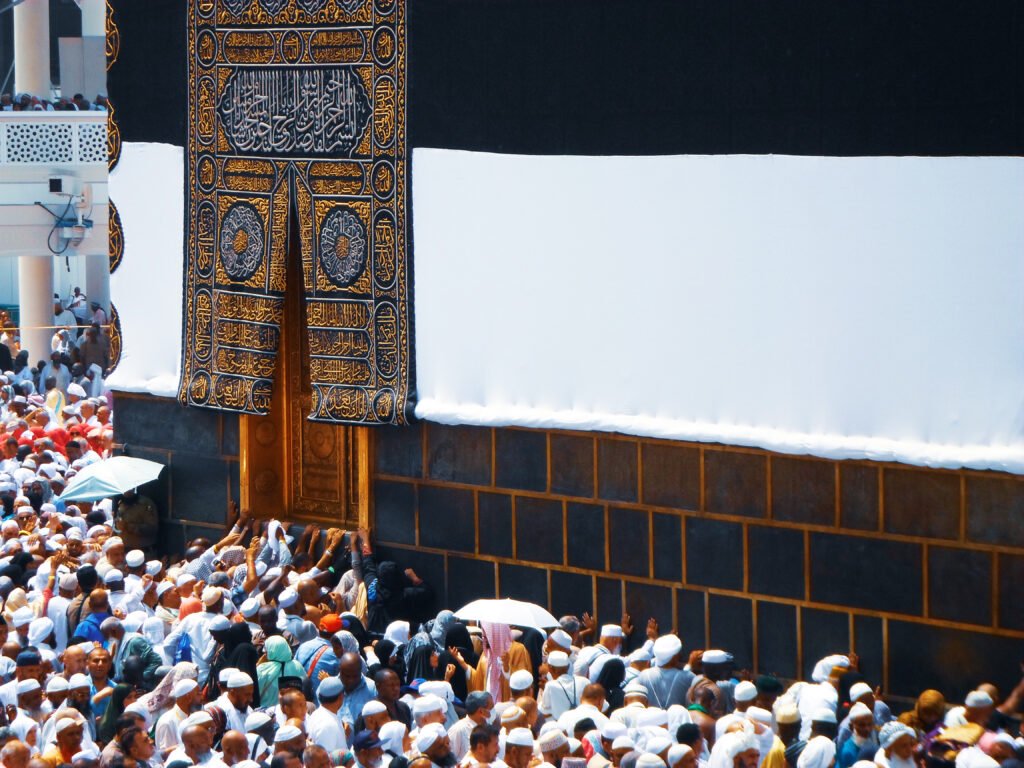
For Muslims around the world, both Hajj and Umrah represent deeply meaningful journeys of faith. Each pilgrimage offers an opportunity to worship, reflect, seek spiritual renewal, and strengthen one’s connection with Allah. Because both take place in the holy city of Makkah and share certain rituals, many first-time pilgrims are unsure about the differences between them.
Understanding how Hajj and Umrah differ can help you plan your journey with confidence and make informed decisions about when and how to travel. While both pilgrimages are highly valued in Islamic tradition, they differ in their religious status, timing, rituals, duration, and practical requirements.
This guide explains the key distinctions in simple terms so that prospective pilgrims can better understand what to expect.
What Is Hajj?
Hajj is the major Islamic pilgrimage to Makkah and is one of the Five Pillars of Islam. According to Islamic teaching, Hajj is an obligation for Muslims who meet certain conditions, including having the physical ability and financial means to undertake the journey. Scholars generally explain that this obligation applies once in a lifetime for those who are able.
Every year, millions of Muslims gather in Saudi Arabia during the Islamic month of Dhul-Hijjah to perform Hajj. The pilgrimage commemorates important events associated with Prophet Ibrahim (AS), Hajar (RA), and Prophet Ismail (AS), while also emphasizing devotion, sacrifice, unity, and submission to Allah.
Hajj is not simply a visit to Makkah. It is a structured pilgrimage that includes a series of rituals performed over several days at multiple sacred locations.
What Is Umrah?
Umrah is often referred to as the “lesser pilgrimage.” Although it is not one of the Five Pillars of Islam, it remains a highly respected and recommended act of worship in Islamic teaching. Many Muslims perform Umrah to seek spiritual growth, express gratitude, make supplications, and strengthen their faith.
Unlike Hajj, Umrah is not generally considered obligatory by the majority of scholars, though it is strongly encouraged. It can also be performed multiple times throughout a person’s life.
One reason Umrah is popular among pilgrims is its flexibility. Since it can be performed throughout most of the year, many people choose a time that fits their work schedules, family commitments, or travel preferences.
The Most Important Difference: Timing
One of the clearest distinctions between Hajj and Umrah is when they can be performed.
Hajj Has Specific Dates
Hajj can only be performed during a specific period in the Islamic calendar. The pilgrimage takes place during the days of Dhul-Hijjah, the twelfth month of the Islamic year, with the main rituals occurring between the 8th and 12th or 13th of Dhul-Hijjah. Missing this window means waiting until the following year.
Umrah Can Be Performed Almost Any Time
Umrah offers much greater flexibility. Pilgrims can generally perform Umrah throughout the year, making it easier to plan around personal schedules, school holidays, or work commitments.
This flexibility often makes Umrah the first pilgrimage many Muslims experience before eventually undertaking Hajj.
The Rituals of Hajj
Hajj includes several rituals that take place over multiple days and at different locations around Makkah.
Among the major rituals are:
- Entering the state of Ihram.
- Performing Tawaf around the Kaaba.
- Performing Sa’i between Safa and Marwah.
- Traveling to Mina.
- Standing at Arafat.
- Spending time in Muzdalifah.
- Stoning the Jamarat.
- Completing additional rites associated with Hajj before concluding the pilgrimage.
Each ritual carries its own significance and is performed according to established guidance. Because Hajj involves movement between multiple sites and large crowds, it requires careful planning, patience, and physical endurance.
The Rituals of Umrah
The rituals of Umrah are fewer and can usually be completed within a much shorter period.
The essential steps generally include:
- Entering the state of Ihram.
- Performing Tawaf around the Kaaba.
- Performing Sa’i between Safa and Marwah.
- Trimming or shaving the hair to complete the pilgrimage.
Although shorter and simpler than Hajj, Umrah remains a powerful spiritual experience. Many pilgrims describe it as a valuable opportunity for reflection, prayer, and personal renewal.
Who Is Required to Perform Hajj?
According to Islamic teaching, Hajj is obligatory once in a lifetime for Muslims who are physically and financially able to undertake the journey. Scholars provide detailed guidance regarding eligibility, financial capability, health considerations, and other individual circumstances.
Because personal situations vary greatly, pilgrims should consult a qualified religious scholar or guide for rulings that apply specifically to their circumstances.
Is Umrah Obligatory?
Umrah is generally regarded by many scholars as a recommended act of worship rather than a universal obligation. It is highly valued and widely encouraged, but its status differs from Hajj, which is one of the Five Pillars of Islam.
Many Muslims choose to perform Umrah multiple times throughout their lives whenever they have the opportunity to visit the holy cities.
Comparing Hajj and Umrah in Practical Terms
While the religious distinctions are important, many travelers also want to understand the practical differences between the two journeys.
Duration
Hajj is a longer pilgrimage. The required rituals span several days and are completed according to a fixed schedule during Dhul-Hijjah. Pilgrims often spend additional time in Makkah and Madinah before returning home.
Umrah is considerably shorter. The core rituals can often be completed within a few hours, although most pilgrims choose to spend several days in Makkah and Madinah to maximize the spiritual benefit of their trip.
Cost Considerations
Hajj is generally more expensive because it involves specific travel dates, larger crowds, longer stays, additional logistics, and more extensive arrangements. Demand during Hajj season is extremely high, which can affect accommodation and transportation costs.
Umrah packages are often available throughout the year and can offer greater flexibility in terms of budget and travel preferences. Costs may vary depending on season, accommodation choices, flight availability, and package inclusions.
Physical Demands
Hajj is usually considered more physically demanding. Pilgrims move between multiple locations, spend long periods walking, and often experience large crowds and warm weather conditions. The pilgrimage requires stamina, patience, and preparation.
Umrah also involves walking and physical activity, particularly during Tawaf and Sa’i, but it is generally less strenuous because it includes fewer rituals and can often be completed in a shorter time frame.
Should You Perform Hajj or Umrah First?
This is one of the most common questions among prospective pilgrims.
The answer depends on individual circumstances. If a person meets the conditions that make Hajj obligatory according to Islamic teaching and has the opportunity to perform it, scholars often advise seeking guidance regarding fulfilling that obligation.
For others, Umrah may be a practical first step. It allows pilgrims to become familiar with Makkah, experience the atmosphere of the holy cities, and gain confidence before undertaking the larger and more demanding pilgrimage of Hajj.
Factors that may influence the decision include:
- Financial readiness.
- Physical health and mobility.
- Family responsibilities.
- Available travel time.
- Visa availability and travel arrangements.
- Personal spiritual goals.
Because every situation is unique, consulting a qualified religious guide can help determine the most appropriate path.
Begin Your Sacred Journey with Confidence
Whether you are planning your first Umrah or preparing for the once-in-a-lifetime journey of Hajj, understanding the differences between the two pilgrimages is an important first step. Both offer profound opportunities for worship, reflection, and spiritual growth, even though they differ in timing, rituals, obligations, and practical requirements.
At Al-Yaseen Tours & Travels, we have been assisting pilgrims for decades with carefully organized Hajj and Umrah journeys. From travel arrangements and accommodation to guidance throughout the pilgrimage, our goal is to help make your sacred journey as smooth and comfortable as possible.
If you are considering Hajj or Umrah and would like help choosing the package that best suits your needs, our team is ready to assist you every step of the way. Remember that for religious rulings specific to your personal circumstances, it is always advisable to consult a qualified scholar or religious guide before making your travel plans.