
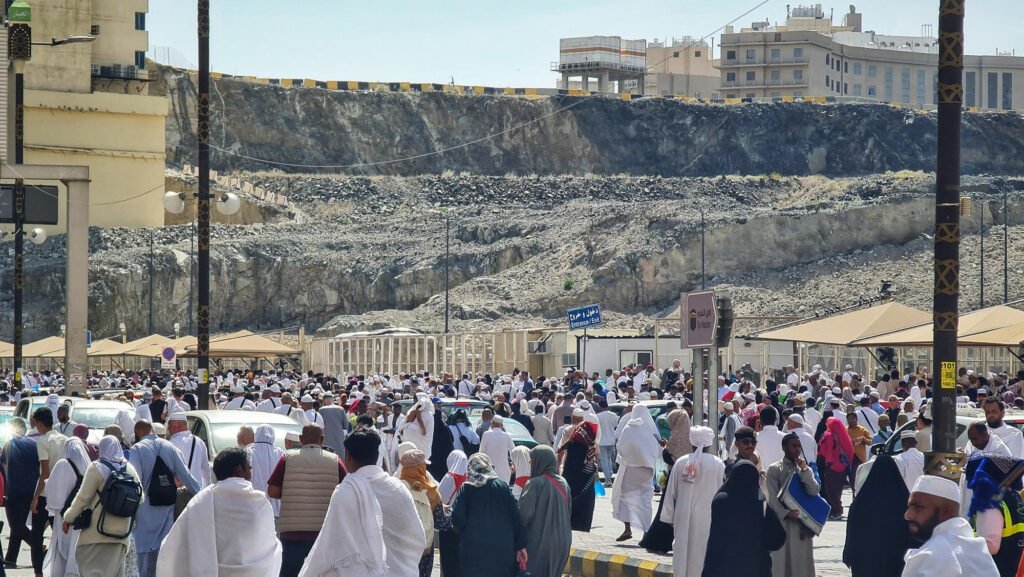
For millions of Muslims, the journey to Makkah and Madinah is among the most meaningful experiences of a lifetime. The rituals of Hajj and Umrah form the heart of this sacred journey, bringing pilgrims closer to Allah through worship, prayer, and devotion. Yet beyond the essential rites lies another deeply enriching aspect of the pilgrimage experience: Ziyarat.
The word Ziyarat means “visit.” In the context of Hajj and Umrah, it refers to visiting places of historical and spiritual significance connected to the life of Prophet Muhammad ﷺ, his family, his companions, and important events from early Islamic history. While Ziyarat is not a requirement of Hajj or Umrah, many pilgrims choose to visit these sites to gain a deeper understanding of Islam’s history and to reflect upon the sacrifices, struggles, and achievements of the first Muslim community.
A visit to these landmarks transforms a pilgrimage from a journey of ritual observance into an immersive encounter with the history that shaped the Muslim world. Walking through these locations helps pilgrims connect the stories they have learned throughout their lives with the places where those events unfolded.
This guide explores some of the most commonly visited Ziyarat sites in Makkah and Madinah and explains their significance in a respectful and educational manner.
Understanding the Purpose of Ziyarat
Ziyarat is not about performing additional rituals or seeking blessings from physical locations. Rather, it offers an opportunity for reflection, learning, and appreciation of Islamic history. Pilgrims often find that visiting these sites strengthens their connection to the Qur’an and the Seerah (biography) of the Prophet ﷺ by providing historical context to events that shaped the early Muslim community.
The experience encourages gratitude, remembrance, and contemplation. Standing at locations where significant moments occurred allows pilgrims to better understand the challenges faced by the Prophet ﷺ and his companions and the perseverance through which Islam spread across the world.
Ziyarat Sites in Madinah
For many pilgrims, Madinah holds a special place in the heart. It was here that the Prophet Muhammad ﷺ established the first Muslim community, taught his companions, and spent the final years of his blessed life. As a result, Madinah contains many of the most visited Ziyarat locations.
Masjid Quba
Masjid Quba is widely recognized as the first mosque established in Islam. It was built shortly after the Prophet ﷺ arrived in Madinah during the Hijrah (migration) from Makkah. The mosque symbolizes the foundation of the Muslim community and the beginning of a new chapter in Islamic history. Authentic narrations mention the virtue of offering prayer at Masjid Quba, making it one of the most frequently visited sites in Madinah.
Today, pilgrims visit Masjid Quba to pray, reflect, and appreciate the historical significance of the place where the Prophet ﷺ helped establish one of Islam’s earliest centers of worship.
Masjid Qiblatain
Masjid Qiblatain, often called the “Mosque of the Two Qiblas,” marks one of the most important moments in Islamic history. It is associated with the event during which the direction of prayer (Qibla) was changed from Jerusalem to the Kaaba in Makkah. This change reinforced the central role of Makkah within Islam and represented a defining moment for the growing Muslim community.
A visit to Masjid Qiblatain serves as a reminder of obedience to divine guidance and the unity of Muslims around a single direction of worship.
Mount Uhud
Mount Uhud stands as one of the most historically significant landmarks in Madinah. It was the site of the Battle of Uhud, fought in the third year after Hijrah. The battle remains one of the most studied events in Islamic history because of the lessons it offers about faith, discipline, patience, and perseverance.
Nearby lies the resting place of many martyrs of the battle, including Hamza ibn Abdul Muttalib (RA), the beloved uncle of the Prophet ﷺ. Visiting Uhud often inspires pilgrims to reflect upon the sacrifices made by the early Muslims and the challenges they endured in preserving their faith.
Jannat al-Baqi
Located adjacent to Masjid an-Nabawi, Jannat al-Baqi is the most famous cemetery in Madinah. It serves as the resting place of many members of the Prophet’s family, his companions, and prominent figures from early Islamic history. Since the time of the Prophet ﷺ, it has remained an important place of remembrance and reflection.
For many visitors, a visit to Jannat al-Baqi is a humbling experience that encourages reflection on the temporary nature of worldly life and the importance of preparing for the Hereafter.
Masjid an-Nabawi and the Rawdah
Although pilgrims naturally spend much of their time at Masjid an-Nabawi, it is also one of the most significant places associated with Ziyarat. The mosque was established by the Prophet ﷺ and served as the center of the early Muslim community. It is also the location of the Prophet’s resting place.
Within the mosque lies the Rawdah, the area between the Prophet’s home and pulpit, which holds a special place in Islamic tradition. Visiting Masjid an-Nabawi offers pilgrims an opportunity to send salutations upon the Prophet ﷺ and spend time in worship in one of Islam’s most beloved places.
The Seven Mosques (Masajid al-Sab’ah)
Another location often included in Madinah Ziyarat tours is the area known as the Seven Mosques. These sites are associated with the Battle of the Trench (Khandaq), a pivotal event in which the Muslims defended Madinah against a large coalition of opponents. The area serves as a reminder of strategic planning, unity, and steadfastness during difficult times.
Masjid al-Jumu’ah
Located along the route taken by the Prophet ﷺ during the Hijrah, Masjid al-Jumu’ah is believed to mark the location where he led one of the earliest Friday prayers after arriving in Madinah. It provides pilgrims with another meaningful connection to the formative days of the Muslim community.
Ziyarat Sites in Makkah
While Madinah is often associated with historical Ziyarat tours, Makkah also contains several important landmarks connected to the life of the Prophet ﷺ and major events in Islamic history.
Jabal al-Nour and the Cave of Hira
Jabal al-Nour (Mountain of Light) is among the most famous sites in Makkah. Near its summit lies the Cave of Hira, where the Prophet Muhammad ﷺ would spend time in contemplation before prophethood. It was here that he received the first revelation from Allah through Angel Jibreel (AS), marking the beginning of the Qur’anic revelation.
For pilgrims, seeing Jabal al-Nour offers a powerful reminder of the moment that changed human history and began the final divine message to mankind.
Jabal Thawr
Jabal Thawr is another mountain deeply connected to Islamic history. During the migration from Makkah to Madinah, the Prophet ﷺ and Abu Bakr (RA) sought refuge in a cave on this mountain while being pursued by their opponents. The event is remembered as an example of trust in Allah, patience, and divine protection.
Although reaching the cave requires a demanding climb, many pilgrims appreciate learning about its significance during guided Ziyarat tours.
Mina
Mina plays a central role during Hajj and is often included in educational Ziyarat tours outside the Hajj season. Known as the “City of Tents,” Mina is where pilgrims stay during important days of Hajj and perform the symbolic stoning of the Jamarat. Visiting the area helps pilgrims better understand the sequence and significance of Hajj rituals.
Arafat
The Plain of Arafat is one of the most significant locations in the Hajj pilgrimage. It is where pilgrims gather on the Day of Arafah, considered one of the most important days in the Islamic calendar. The area reminds visitors of repentance, mercy, and the unity of the global Muslim community.
Muzdalifah
Located between Arafat and Mina, Muzdalifah is another key Hajj site. Pilgrims spend the night here during Hajj and collect pebbles for the stoning ritual performed in Mina. Visiting Muzdalifah offers valuable insight into the flow of the pilgrimage and the spiritual lessons embedded within its rites.
Jannat al-Mu’alla
This historic cemetery in Makkah is the resting place of several relatives and ancestors of the Prophet ﷺ, including notable members of his family. It remains an important historical location that reminds pilgrims of the people who supported the message of Islam during its earliest days.
Making the Most of a Ziyarat Experience
The true value of Ziyarat lies not in the number of sites visited but in the understanding and reflection gained from the experience. Pilgrims often benefit from learning the historical background of each location before visiting. Understanding the stories associated with these places allows each visit to become more meaningful and spiritually enriching.
It is also important to approach every Ziyarat site with respect, humility, and proper etiquette. These locations are valuable because of their connection to Islamic history and the lessons they teach, not because they form part of the obligatory rituals of Hajj or Umrah. The focus should remain on remembrance, learning, reflection, and gratitude.
A Journey Through History and Faith
Hajj and Umrah are journeys of worship, but they are also journeys of learning. Through Ziyarat, pilgrims gain a deeper appreciation of the events, places, and individuals who played vital roles in the history of Islam. From the first mosque in Islam at Quba to the battlefield of Uhud, from the Cave of Hira to the plains of Arafat, every site offers lessons that continue to inspire Muslims today.
At Al-Yaseen Tours & Travels, we believe that understanding the history behind the sacred journey enriches the entire pilgrimage experience. Our Hajj and Umrah packages include organized Ziyarat tours led by experienced local coordinators who help pilgrims learn about these important locations in a respectful, informative, and well-organized manner. By combining spiritual guidance with historical understanding, we aim to help every pilgrim return home with not only cherished memories but also a deeper connection to the rich heritage of Islam.