
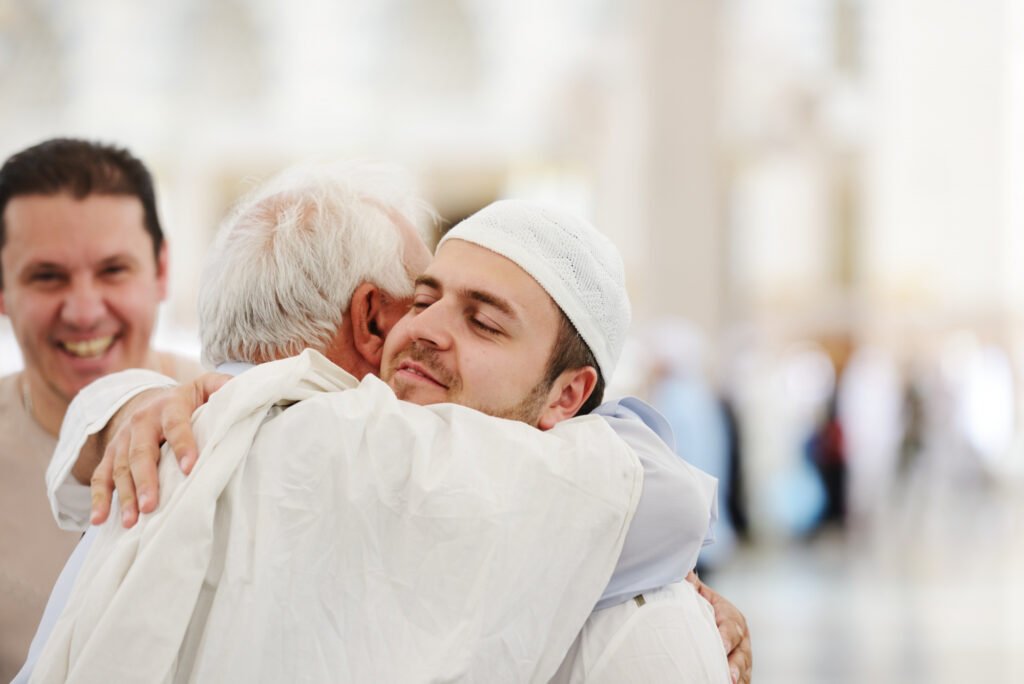
For many Muslims, one of life’s greatest blessings is being able to take their parents to Makkah and Madinah. The thought of performing Tawaf together, standing side by side in prayer, and witnessing the joy on a parent’s face as they see the Kaaba for the first time is deeply moving. For adult children, helping elderly parents fulfil this sacred dream is often more than a travel plan—it is an act of love, gratitude, and service.
At the same time, planning a Hajj or Umrah journey with elderly parents comes with unique responsibilities. Physical stamina, mobility concerns, medical needs, and comfort all require thoughtful preparation. What might be a simple walk for a younger pilgrim can be exhausting for an elderly parent. Long travel days, large crowds, and extensive walking can become challenging if not planned carefully.
The good news is that with proper preparation, the right travel arrangements, and a supportive travel partner, elderly pilgrims can experience a comfortable, meaningful, and spiritually fulfilling journey. Here are some practical and heartfelt considerations to help families prepare.
Start Planning Early
One of the most important steps is beginning preparations well in advance. Elderly travelers generally benefit from having more time to prepare physically, medically, and mentally for the journey.
Several months before departure, consider:
- Scheduling medical check-ups
- Reviewing medications with healthcare providers
- Discussing mobility concerns
- Ensuring passports and travel documents are valid
- Choosing the most suitable travel package
Early planning also provides greater flexibility when selecting accommodations closer to the Haram and arranging any special assistance that may be required.
Most importantly, it reduces stress for everyone involved and allows the family to focus on the spiritual significance of the journey.
Choosing Hotels Close to the Haram
When travelling with elderly parents, hotel location should be one of the highest priorities.
Many first-time pilgrims focus primarily on package prices, but a hotel that appears more affordable may require lengthy walks several times a day. Over the course of a pilgrimage, these extra distances can become physically demanding for elderly travelers.
A hotel located close to Masjid al-Haram in Makkah or Al-Masjid an-Nabawi in Madinah offers several advantages:
Reduced Walking Distance
Even a few hundred meters can feel significant after multiple daily prayers, especially in warm weather or crowded conditions. A nearby hotel helps conserve energy for worship rather than spending it on commuting.
Easier Rest Between Prayers
Elderly pilgrims often benefit from returning to their rooms to rest between prayer times. A nearby hotel makes this practical and convenient.
Better Management of Fatigue
Being able to quickly access the room when tired, unwell, or overwhelmed by crowds can make a substantial difference in comfort and wellbeing.
Greater Peace of Mind for Family Members
Adult children naturally worry about their parents’ safety and comfort. Knowing that accommodations are close to the Haram reduces stress and allows everyone to focus more fully on worship.
When evaluating packages, ask specifically about walking distance rather than simply relying on terms such as “near” or “close.”
Mobility Support and Wheelchair Assistance
Many elderly pilgrims remain active and independent, but the demands of Hajj and Umrah can still be physically challenging. Even parents who walk comfortably at home may find the larger distances and crowds in Makkah and Madinah tiring.
Families should discuss mobility needs honestly before travelling.
Consider Wheelchair Options
Using a wheelchair is not a sign of weakness. In fact, it often enables elderly pilgrims to conserve energy and participate more comfortably in important rituals.
Wheelchairs may be helpful for:
- Long walks within the Haram area
- Tawaf during crowded periods
- Travelling between locations
- Days when energy levels are lower than expected
Some families alternate between walking and wheelchair use depending on the parent’s condition that day.
Explore Assistance Services
Many pilgrimage arrangements can include mobility support services. Depending on the package and local arrangements, assistance may be available at airports, hotels, and certain pilgrimage sites.
Discuss these options before departure so expectations are clear and support can be organised in advance.
Pace According to Individual Needs
Every elderly pilgrim is different. One parent may comfortably walk significant distances while another may need regular assistance.
Avoid comparing your parents’ abilities to those of other pilgrims. The goal is not speed or endurance—it is enabling meaningful worship with comfort and dignity.
Pace the Journey to Avoid Exhaustion
One common mistake families make is trying to do too much too quickly.
The excitement of being in the holy cities often leads pilgrims to fill every moment with activities, visits, and worship. While spiritually rewarding, an overly ambitious schedule can leave elderly parents exhausted.
Instead, focus on sustainability.
Prioritise Rest
Adequate rest is not a distraction from worship—it supports it.
Encourage parents to:
- Take afternoon rests when needed
- Return to the hotel between activities
- Avoid unnecessary walking
- Stay hydrated throughout the day
A well-rested pilgrim is often able to engage more meaningfully in prayers and remembrance.
Spread Out Activities
If visiting historical sites or participating in Ziyarat tours, avoid scheduling too many excursions back-to-back.
Allow recovery time between activities and remain flexible if your parents need to slow down.
Listen to Their Bodies
Many elderly parents hesitate to admit fatigue because they do not want to inconvenience their children.
Pay attention to signs such as:
- Shortness of breath
- Dizziness
- Excessive tiredness
- Swelling in the feet
- Difficulty walking
Gentle encouragement to rest can prevent minor discomfort from becoming a more serious issue.
Packing Considerations for Elderly Travelers
Packing thoughtfully can significantly improve comfort during the pilgrimage.
While every traveler has unique needs, certain items are especially important for elderly pilgrims.
Medications
Carry:
- Prescription medications in sufficient quantities
- Copies of prescriptions
- Medication schedules
- Small pill organisers if helpful
Keep essential medications in carry-on luggage rather than checked baggage.
Comfortable Footwear
Supportive walking shoes are among the most important items elderly pilgrims can bring.
Footwear should be:
- Well broken-in before travel
- Comfortable for extended walking
- Easy to remove and put on
- Suitable for varying walking surfaces
Avoid bringing brand-new shoes for the pilgrimage.
Weather-Appropriate Clothing
Lightweight, breathable clothing helps elderly travelers remain comfortable in warmer conditions.
Additional layers may also be useful for air-conditioned spaces and cooler evenings.
Personal Comfort Items
Many elderly pilgrims appreciate:
- Travel pillows
- Reusable water bottles
- Small folding fans
- Compression socks if recommended by healthcare providers
- Reading glasses and spare pairs
Important Documents
Keep passports, identification, emergency contact information, and travel documents organised and easily accessible.
Consider carrying digital copies as an additional backup.
Supporting Elderly Parents Emotionally and Spiritually
While much attention is given to physical preparation, the emotional and spiritual dimensions of the journey are equally important.
For many parents, this pilgrimage may represent a lifelong dream. Some may have spent decades hoping and praying for the opportunity to visit the holy cities.
The experience often brings profound emotions.
Be Patient
Travel can be stressful, particularly for elderly individuals who may feel anxious about unfamiliar environments, language differences, or large crowds.
A calm and patient approach from family members can provide tremendous reassurance.
Create Meaningful Moments Together
The most cherished memories are often simple ones:
- Making dua together
- Sharing meals after prayer
- Walking through the courtyards of the Haram
- Reflecting on blessings as a family
These moments frequently become treasured family memories long after the journey ends.
Allow Time for Reflection
Not every moment needs to be scheduled.
Some of the most spiritually powerful experiences happen during quiet moments of prayer, contemplation, and gratitude.
Allow parents the space to absorb the significance of what they are experiencing.
Honour Their Journey
Remember that your parents have likely spent years caring for you, guiding you, and making sacrifices for the family.
Helping them complete Hajj or Umrah is a beautiful opportunity to serve them with kindness and respect.
For many adult children, assisting a parent during pilgrimage becomes one of the most meaningful acts of filial devotion they ever perform.
Questions to Ask a Travel Agency About Elderly-Friendly Support
Before booking, it is wise to discuss your parents’ specific needs with the travel agency.
Consider asking:
- How far are the hotels from the Haram?
- Are wheelchair-accessible rooms available?
- Can wheelchair assistance be arranged if needed?
- Is airport assistance available for elderly travelers?
- What support is provided during transfers between cities?
- Are there elevators and accessible facilities in the accommodations?
- How are elderly pilgrims assisted during group activities?
- Is there staff available to help if medical concerns arise?
- What is the typical walking distance involved in the package?
- Can the itinerary be adjusted if additional rest is required?
A reputable travel provider should be willing to answer these questions clearly and help you select the most suitable option for your family’s needs.
A Journey of Love, Gratitude, and Faith
Taking elderly parents for Hajj or Umrah is about far more than travel logistics. It is an opportunity to share sacred moments, strengthen family bonds, and witness the fulfilment of a dream that may have lived in their hearts for many years.
While careful planning is important, what matters most is approaching the journey with patience, compassion, and sincere intention. The memories created while helping a parent perform Tawaf, making dua together in the Haram, or praying side by side in Madinah often remain among life’s most treasured blessings.
At Al-Yaseen Tours & Travels, we understand that elderly pilgrims deserve more than standard travel arrangements. They deserve thoughtful care, personal attention, and support that reflects the importance of their journey. Our team works closely with families to help arrange comfortable accommodations, practical travel assistance, and personalised guidance designed with elderly pilgrims in mind.
From the moment you begin planning until you return home, we are committed to helping your parents travel with comfort, dignity, and peace of mind—so your family can focus on what truly matters: worship, gratitude, and sharing a once-in-a-lifetime spiritual experience together.